New generation turnstiles will appear on Moscow transport.

Translation. Region: Russian Federation –

Maxim Liksutov announced that updated access control equipment will be installed at 25 metro stations next year.

Main advantages:

The new turnstiles were designed and manufactured in Moscow. The readers are intuitively positioned to allow for instant payment. All turnstiles are enabled for biometric payment, and facial recognition cameras are seamlessly integrated into the design. Colored backlighting indicates whether the fare has been processed, and vibration feedback helps visually impaired passengers easily understand the transaction status.

"According to Moscow Mayor Sergei Sobyanin's instructions, more than 4,500 new-generation turnstiles will be installed at metro stations, the Moscow Central Circle (MCC), and the Moscow Central Diameters (MCD) by the end of 2031. Their ergonomic design will maximize the use of vestibule space. The updated equipment will increase station capacity by 40%. Thanks to Russian microelectronics, the new turnstiles will operate even faster, increasing passenger throughput," added Maxim Liksutov.
The assembly of new Moscow-2026 trains has begun at the TMH JSC enterprise.

Translation. Region: Russian Federation –

Earlier, Moscow Mayor Sergei Sobyanin announced that the capital's metro would continue a large-scale upgrade of its rolling stock.

The first "Moscow-2026" train will be assembled by the end of the year. It will then begin testing on the Moscow metro infrastructure.

The new trains will retain the key advantages of the Moscow-2024:

Wide doors and inter-carriage walkways. Modern climate control systems. Adaptive lighting and multiple screens. USB and Type-C charging ports. Interior lighting in the same color as the line. And much more.

At the same time, the Moscow-2026 will feature partially updated plastic interior elements, glass on the handrails of the entrance area, the housing of the rear-view camera, and futuristic lighting at the head of the trains.

"The Moscow Metro is the capital's main transportation system. On weekdays, it carries over 8 million passengers. Ensuring passenger comfort and safety is our priority. In accordance with Moscow Mayor Sergei Sobyanin's instructions, we are continuing to upgrade the Moscow Metro's rolling stock. Currently, 79% of trains are new. We expect this figure to reach 90% by 2030. Furthermore, by the end of 2026, we plan to fully complete the upgrade of the Zamoskvoretskaya Line train fleet. To this end, over 350 modern "Moscow-2026" series cars will be delivered to the metro next year. Over the next two years, over 700 new cars will be delivered," said Maxim Liksutov.

Building the best transport system in the world and the most convenient for Muscovites.

Translation. Region: Russian Federation –

All modes of urban transport are being developed in the capital, and they are integrated as closely as possible. Total expenditure on developing Moscow's transport system in 2026 will amount to approximately 1.3 trillion rubles.

Within three years, 26.9 km of metro lines, 13 stations, and one depot are planned to be commissioned. The new Rublevo-Arkhangelskaya Line will be added to the map, the first section of the Biryulevskaya Line, and the Golyanovo station on the Arbatsko-Pokrovskaya Line will be opened. Construction will also continue on the southern section of the Troitskaya Line, as well as the Yuzhny Port station on the Lyublinsko-Dmitrovskaya Line and the Dostoyevskaya station on the Circle Line.

Rail transport will become more comfortable and accessible for Muscovites, residents of the Moscow region, and residents of central Russia. As part of a large-scale development program for the Central Transport Hub, new routes will be added by 2030, and train intervals will be significantly reduced.

The Moscow government is actively involved in the country's largest transport project—the construction of the Moscow-St. Petersburg high-speed highway.

Additional electric buses, buses, trams, new-generation metro cars, and trains for the Central Transport Hub's commuter rail routes, as well as electric scooters for city rental, will be purchased.

Driverless technologies in transportation are rapidly developing. By the end of next year, 15 driverless trams will be operating in the city, and the first driverless metro train will be launched. By the end of 2030, plans call for two-thirds of the tram fleet to be driverless.

In 2026, the fourth route of the capital's river tram, "Kyiv – Luzhniki," will be launched.

Biometric payment on Moscow transport has been in operation for four years now.

Translation. Region: Russian Federation –

According to Maxim Liksutov, since the service's launch, passengers have used it more than 177 million times. And this figure is constantly growing.

Today, biometric payment is available at turnstiles on the metro, the Moscow Central Circle (MCC), regular river routes, the Aeroexpress, and some MCD stations. Around 600,000 users are registered, making over 170,000 passes each working day.

The system offers a favorable fare of 63 rubles. And as part of a promotion, the fare is only 53 rubles until November 30th. As Maxim Liksutov reported, a promotion has been launched on Moscow public transportation in partnership with VTB Bank since October 1st. Passengers will receive a 10 ruble refund to their account when paying for travel on the metro, the Moscow Central Circle (MCC), the Moscow Central Diameters (MCD)*, and regular river electric transport using biometrics.

"At the direction of Moscow Mayor Sergei Sobyanin, we launched biometric payment on public transport in 2021. Since then, the service has earned the trust and popularity of Muscovites. Nowhere else in the world is it available with such convenience and scale as in the Russian capital. In the last year alone, the number of registered users has increased by 1.5 times. Thanks to biometrics, Muscovites don't need cards, phones, or paper tickets to enter – a single glance at the camera on the turnstile is enough," added Maxim Liksutov.

Technology – Acoustic booths installed in the Moscow Metro

Translation. Region: Russian Federation –

Source: Moscow Metro

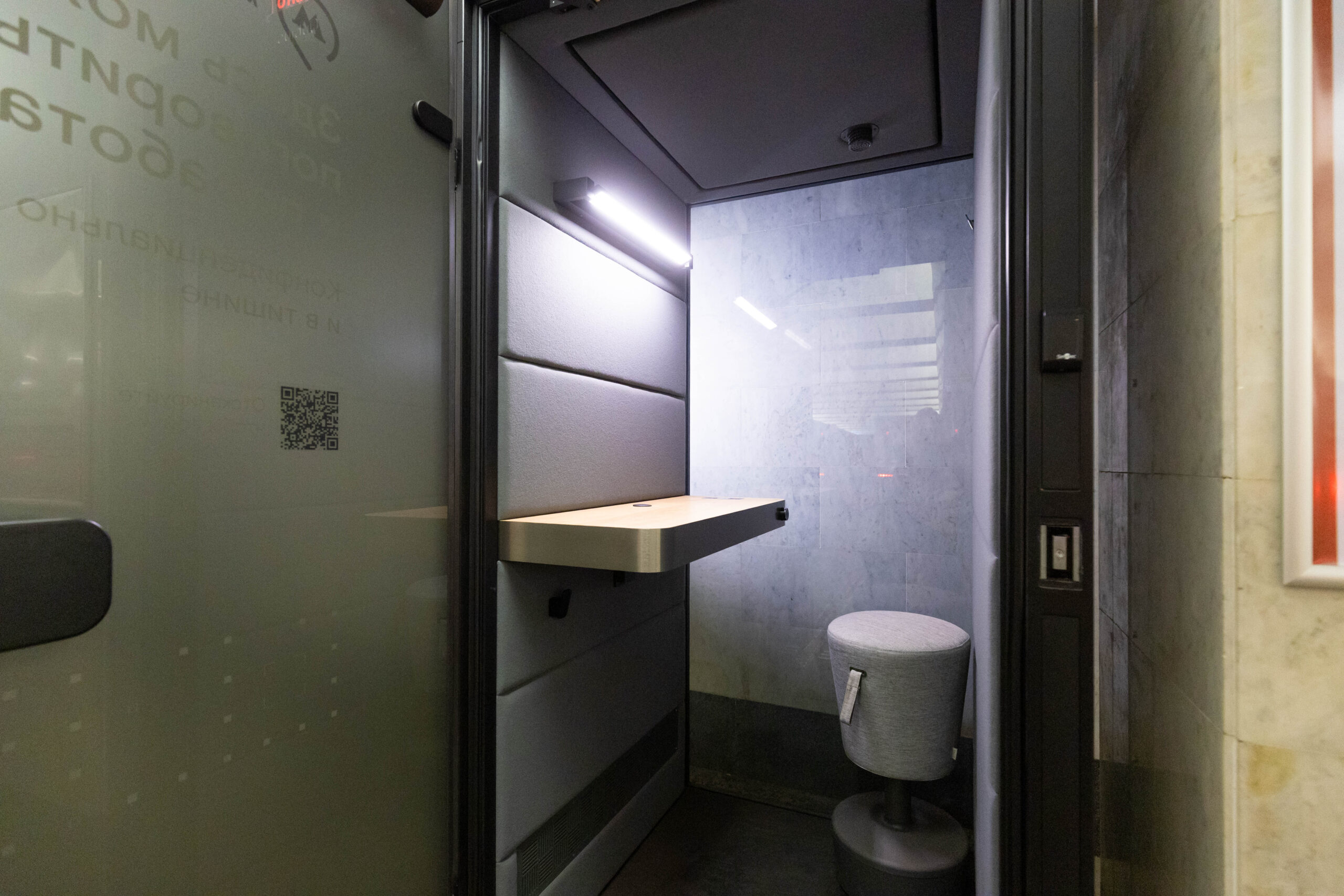
Maxim Liksutov reported that an acoustic booth has been installed at the Komsomolskaya transfer hub, which connects metro stations, the Moscow Central Diameters (MCD), and major train stations. A second one has been installed at the Nizhegorodskaya transport hub. The booths are available free of charge until the end of the year.


Acoustic booths have been installed in the Moscow Metro.

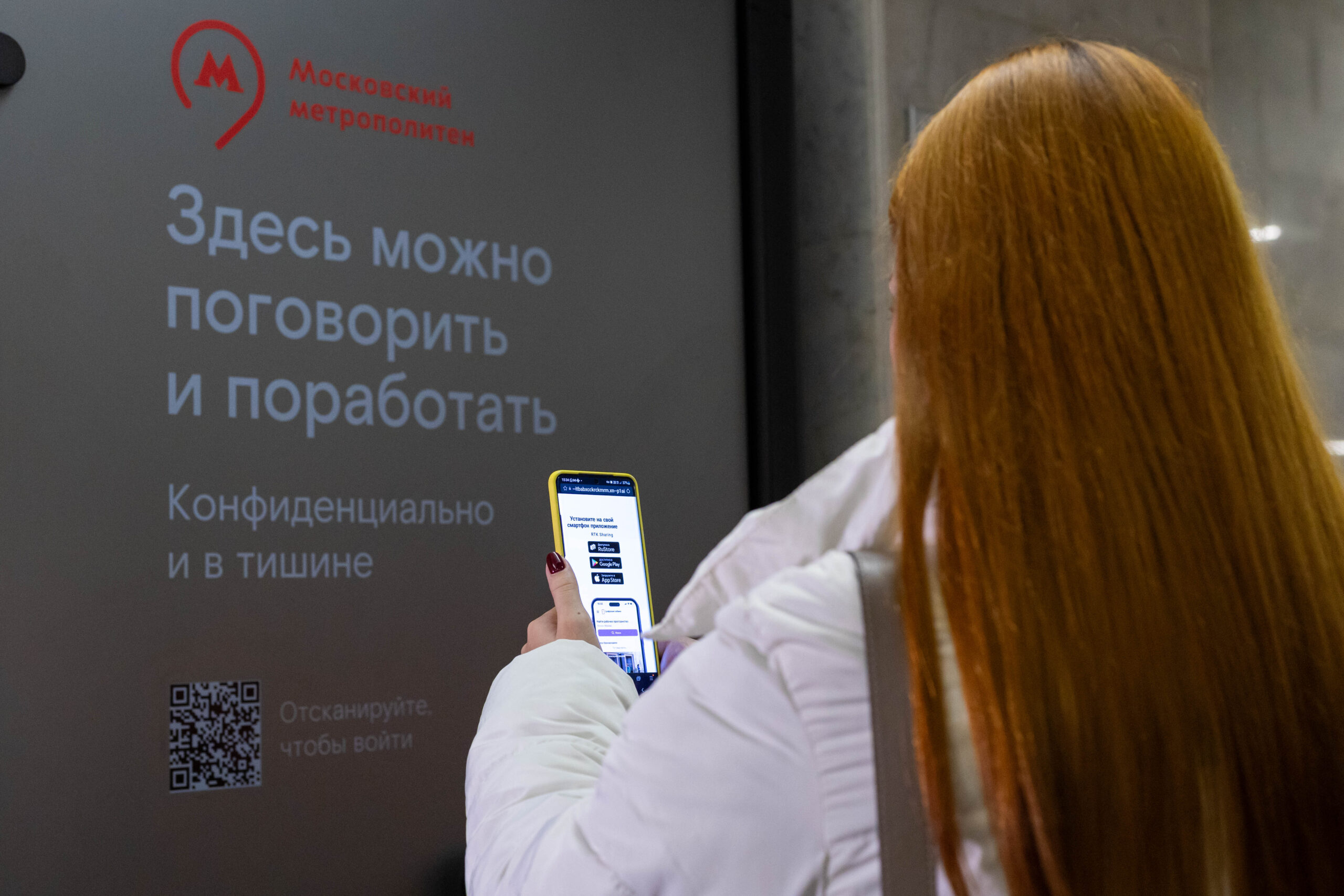
The acoustic cabins are designed for one person. They feature: 1) USB and Type-C ports for charging devices; 2) a workstation; 3) adaptive lighting; 4) ventilation that provides a constant flow of fresh air.


Acoustic booths have been installed in the Moscow Metro.

The sound-damping materials in the acoustic booths have already passed all tests. The door is made of translucent glass, preventing anyone from seeing into the user's device.

You can rent booths in two ways: by pre-booking your desired time slot in the new acoustic booth rental service's mobile app, or by using time slots starting from 15 minutes on-site. To do this, scan the QR code on the booth door or posters.

"In today's world, people work from anywhere, not just in offices, and it's important for us to follow this trend. That's why we're starting to test acoustic booths in the metro. If needed, people will be able to work or make phone calls in silence. We're choosing booth locations that will be popular but won't disturb passengers. If these quiet spaces prove popular, we'll introduce them at other stations. We're continuing to launch new, convenient services on public transport, as instructed by Moscow Mayor Sergei Sobyanin," said Maxim Liksutov.

Moscow Metro – In 2027, a unique park will appear in Moscow on the site of the outdated monorail

Translation. Region: Russian Federation –

Source: Moscow Metro

According to the project, this will be Russia's first year-round promenade park at a height of 6 meters. The plan is to create a modern, comfortable space for sports, family recreation, and gatherings with friends. A four-kilometer running path will run along the park, both in both directions.


In 2027, a unique park will appear in Moscow on the site of the outdated monorail.

The area will connect five districts—Ostankino, Alekseevsky, Timiryazevsky, Marfino, and Butyrsky—home to over 300,000 people. The city's new pedestrian artery will connect VDNKh Park, Ostankino Park, the Botanical Garden, and Timiryazevsky Park into a single route, and, of course, offer stunning views of our beloved Moscow.

Five of the six monorail stations will be reconstructed into two-story pavilions. Two dismantled monorail trains will also be on display in the park.

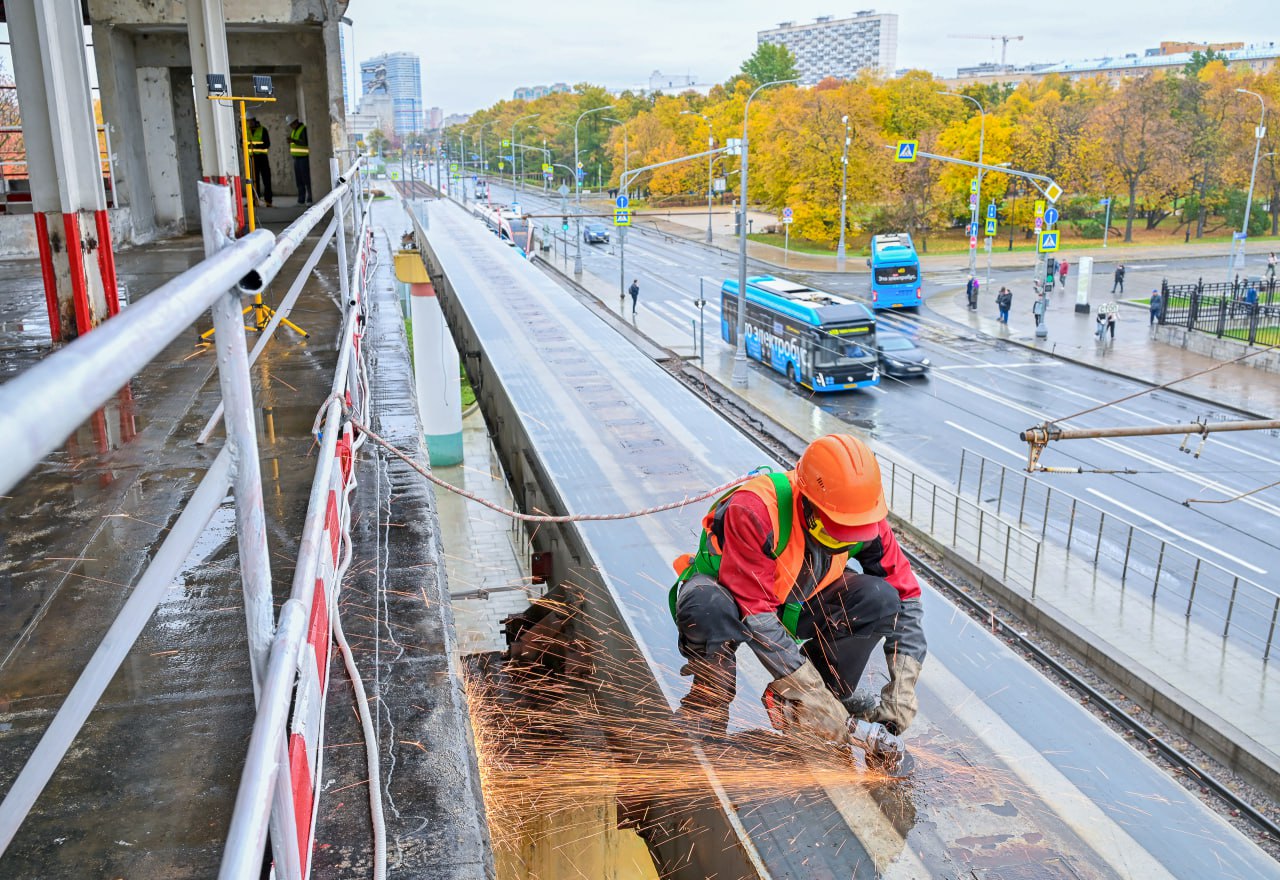
The Moscow Monorail was built over 20 years ago. In recent years, it operated solely as a guided tour system, effectively losing its transportation function following the opening of the Moscow Central Circle (MCC), the extension of the Lyublinsko-Dmitrovskaya metro line, and the development of surface urban transport.

Moscow Metro – Maxim Liksutov spoke about the achievements of Moscow industry

Translation. Region: Russian Federation –

Source: Moscow Metro

According to the Moscow Government's Department of Transport, the capital has become the largest consumer and producer of electric vehicles. The city's industry closely cooperates with the transport sector. It produces 57% of all Russian electric vehicles and is home to two companies in the passenger electric vehicle segment—Moskvich and Atom.


Maxim Liksutov spoke about the achievements of Moscow industry.

Moscow is a leader in transport engineering, not only in Russia but also globally. For example, the SVARZ plant in Sokolniki is developing production of the most advanced KAMAZ electric buses. Final assembly of the eco-friendly vehicles is carried out here.

All complex microelectronics for suburban rolling stock are produced in the capital.

Moscow companies produce high-tech equipment for traffic management systems, smart road signs, and traffic lights.

At the behest of Moscow Mayor Sergei Sobyanin, the Technopolis Moscow Special Economic Zone is focusing on developing social infrastructure. Employees have access to a variety of sports facilities and services.

The city is successfully developing a joint project with Rosatom to create a modern Gigafactory. The plant will produce traction batteries for electric vehicles, electric buses, and electric vessels.

Moscow Metro – Black “Ivolga” launched on MCD-4

Translation. Region: Russian Federal

Source: Moscow Metro Black “Ivolga” launched on MCD-4

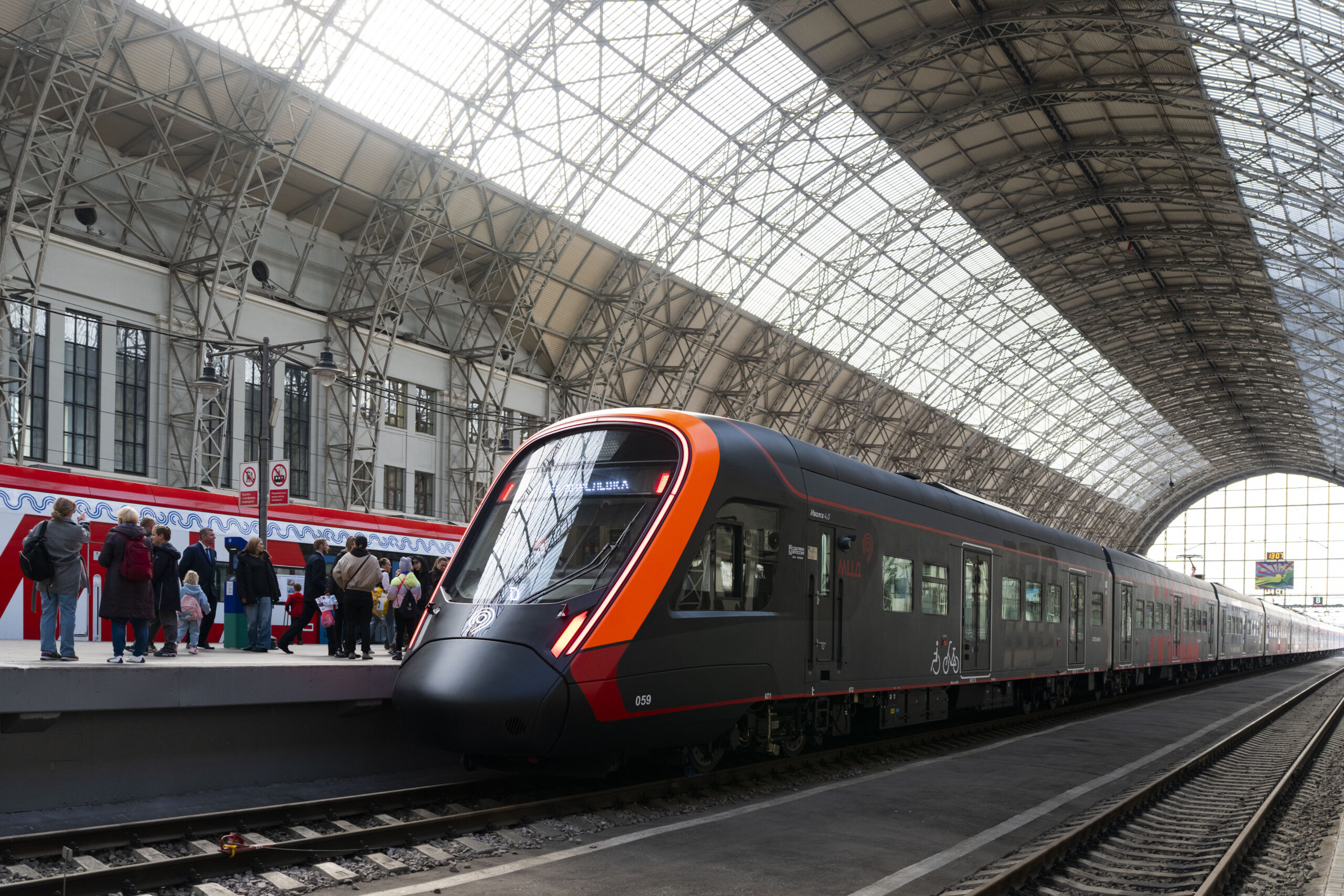
TMH JSC, TVZ, and CPPK launched the 100th Ivolga 4.0 in an exclusive livery.


The black Ivolga was launched on MCD-4.

The matte black body with bright red "MCD" letters and a shiny "100" makes the train a true metropolitan art object. Inside, passengers enjoy maximum comfort, complemented by the mint-colored interior.

It is emotion, style and a symbol of how Moscow transport sets the standards for the future.

"The 100th Ivolga is a special train. Passengers have been eagerly awaiting its arrival, and today it hit the roads. It is a symbol of the development of Moscow transport, a combination of engineering, design, and passenger comfort. By deploying the black anniversary Ivolga on MCD-4, Moscow has once again set an example of what modern urban transport should be. We are developing the MCD on the instructions of Moscow Mayor Sergei Sobyanin," said Maxim Liksutov.

The BKL has already seen 1 billion trips since it was fully launched.

Translation. Region: Russian Federal

Since its launch, the Big Circle Line (BCL) has become the longest circular metro line in the world and has transformed the way people travel:

🔹 Dozens of new routes and transfers allow you to save up to 45 minutes per day.

🔹 The entire metro has become less crowded. For example, the Circle Line has been reduced to 25%.

🔹 In many areas of the capital, the metro appeared for the first time.

"The Big Circle Line (BCL) has already made history in global metro construction. Built under the leadership of Moscow Mayor Sergei Sobyanin, the line has long been one of the most popular on the metro system, which is celebrating its 90th anniversary this year. More than 1.5 million trips are made on the line each weekday. The line is ready to continue to accommodate new passengers: the BCL has built up capacity for decades to come," said Maxim Liksutov.

The first autonomous trams in Russia, "Lvenok-Moscow," have traveled more than 33,000 km.

Translation. Region: Russian Federal

According to Maxim Liksutov, the line operates 20 modern cars that can operate without overhead wires. Here's how it works:

🔹 Trams accumulate energy when they come into contact with wires.

🔹 At stops before a section without an overhead contact network, the driver lowers the pantograph on the roof.

🔹 A tram travels autonomously along Academician Sakharov Avenue, without being connected to wires.

🔹 After the autonomous section, the driver raises the pantograph. The tram continues along its route and recharges energy.

"Lvenok-Moscow" demonstrates reliability and safety. Route 90 is in demand, with up to 17,000 trips made daily. Trams make approximately 300 trips daily.

"We continue to develop a modern and environmentally friendly transportation system in the capital, as instructed by Moscow Mayor Sergei Sobyanin. With the opening of the tram line on Academician Sakharov Avenue, transportation links in the city center have improved. Today, Russia's first autonomous trams, "Lvenok-Moscow," are operating here on route 90. Their energy storage system is proving to be excellent," said Maxim Liksutov.