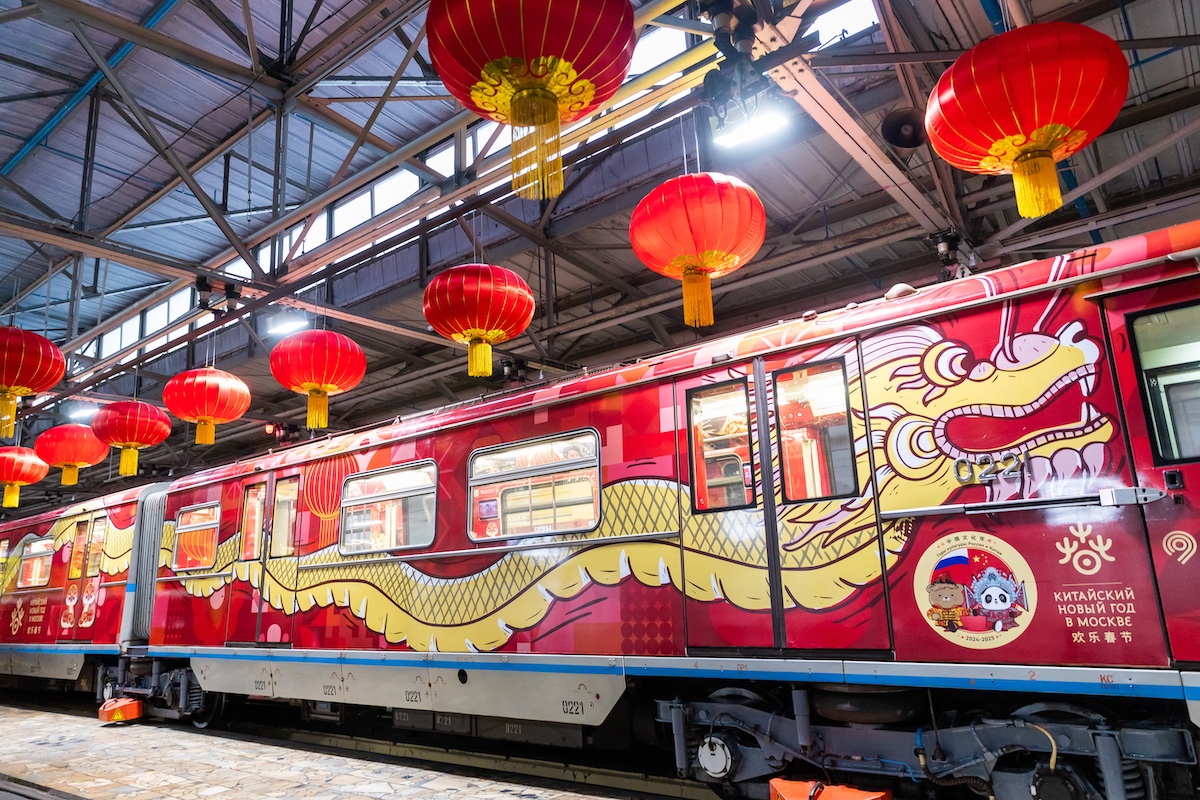
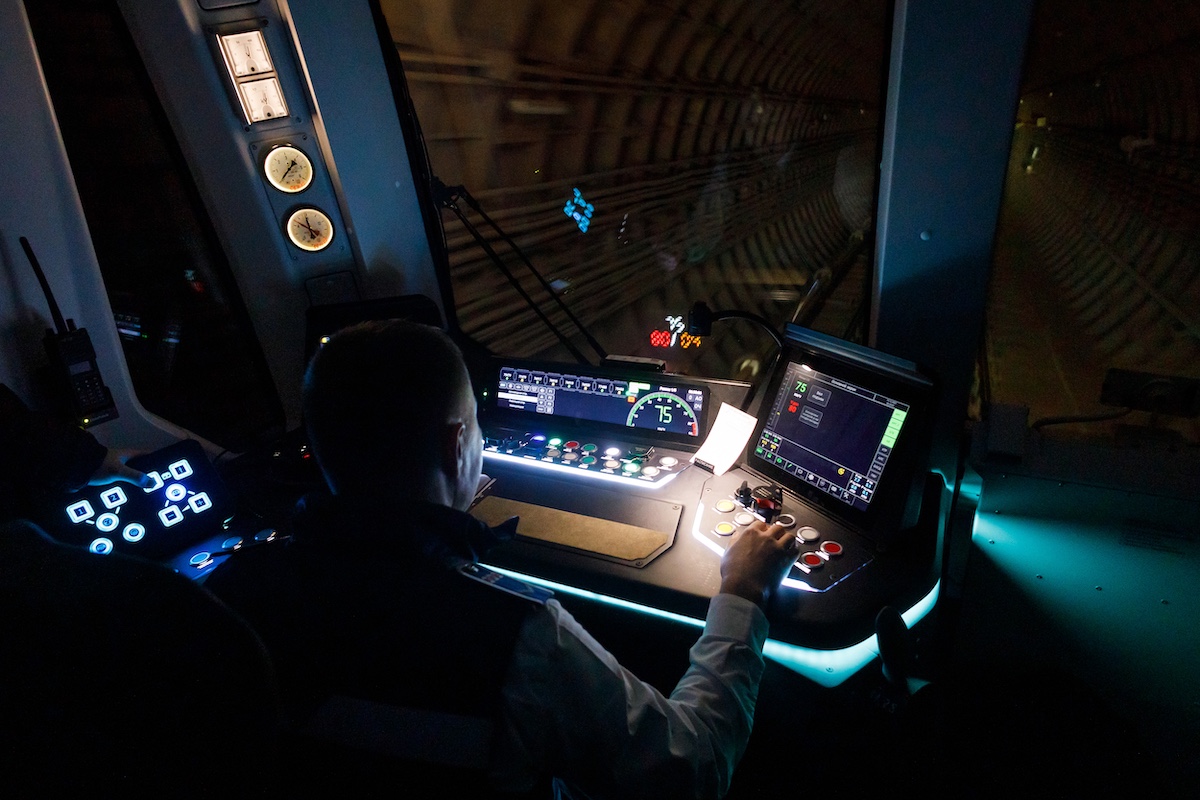
The Moscow metro will launch 57 themed trains in 2025.

Translation. Region: Russian Federation –

Source: Moscow metro:

Six trains were dedicated to regions of Russia: 1) Novgorod Oblast; 2) Oryol Oblast; 3) Tula Oblast; 4) Vologda Oblast; 5) the Republic of Karelia; 6) the Far Eastern Federal District.


The Moscow metro will launch 57 themed trains in 2025.

The following organizations celebrated their anniversaries: 1) 80 years of Rosatom; 2) 65 years of RUDN University; 3) 35 years of the Russian Ministry of Emergency Situations; 4) 10 years of the MATCH TV channel.

We launched programs dedicated to government services: 1) "My Documents" (MFC); 2) Emergency Medical Care.

Moreover, a train was launched for Animation Day featuring characters from the cartoons "Smeshariki," "The Fixies," and "Finnick."

You can also catch the "Olympic Express" in the metro. Inside, you'll learn about traditional sports and those recently added to the Games program, such as surfing, skateboarding, and golf.

This year, the Moscow Metro also launched 24 festive New Year's trains.

"We strive to ensure that travel for passengers is not only comfortable but also engaging. In 2025, we launched 57 themed trains. They were dedicated to Russian regions, organizations, important social projects, and anniversaries. These trains also included 24 decorated New Year's trains. We strive to ensure that travel for passengers is not only comfortable but also engaging," said Maxim Liksutov, Deputy Mayor for Transport and Industry.

More than 350 carriages of the most modern "Moscow-2026" series will appear in the Moscow metro this year.

Translation. Region: Russian Federation –

Source: Moscow Metro

In recent years, we have carried out extensive work to upgrade our rolling stock:

🔹 Since 2020, it has been updated on the Koltsevaya, Tagansko-Krasnopresnenskaya, and Kaluzhsko-Rizhskaya lines. It has also been equipped on the Bolshaya Koltsevaya, Nekrasovskaya, and Troitskaya lines.

🔹 We've begun upgrading the Zamoskvoretskaya Line trains: the share of new trains already exceeds 50%. We'll be completely upgrading the line by the end of the year.

🔹 Received 560 Moscow-2024 series carriages

🔹 The first "Moscow-2026" trains have hit the roads.


More than 350 carriages of the most modern “Moscow-2026” series will appear in the Moscow metro this year.

The Moscow-2026 series trains are among the most technologically advanced in the world, setting new standards for comfort and safety. They are manufactured using domestically produced components. The carriages retain the advantages of previous series trains: powerful air conditioning systems, wide doors and convenient inter-carriage walkways, adaptive lighting, color-matched backlighting, USB and Type-C ports, and numerous information screens. Compared to the "Numbered" series, the maximum capacity of the train has increased by 10 percent, and the doors are 32 percent wider.

The "Moscow-2026" train also features updated plastic trim on some interior elements, as well as glass on the entryway handrails and the rearview camera housing. The futuristic headlights have been redesigned—the headlights are now more elongated, appearing as an extension of the light strip at the front of the train. The design of the passenger-driver communication unit, including for passengers with limited mobility, has also been updated.

"Today, the Moscow Metro is a leader in train renewal among European and American metro systems. The share of modern rolling stock has grown to almost 80%—as recently as 2010, this figure did not exceed 13%. This is all thanks to the large-scale and systematic work we are carrying out at the direction of Moscow Mayor Sergei Sobyanin. We plan that by 2030, over 90% of the cars in the Moscow Metro will be modern," said Maxim Liksutov.

Digital Leadership and Comfort: Moscow Transport Summarizes Ticket System Development in 2025

Translation. Region: Russian Federation –

Source: Moscow Metro

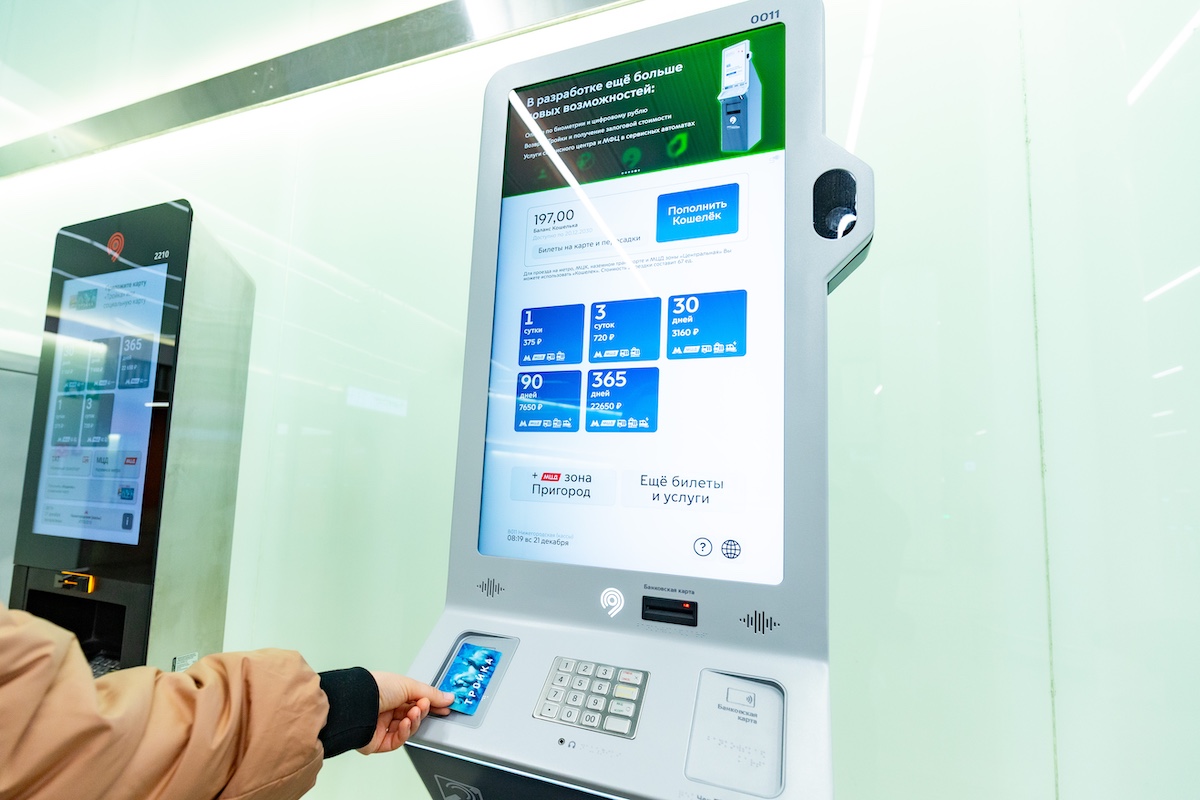
From January to December 2025, the capital's transport system implemented a large-scale ticket system modernization program. Key priorities included the introduction of domestically produced equipment, the expansion of biometric services, and the launch of virtual solutions for eligible categories of citizens.


Moscow metro. Moscow ticketing.

World record in biometrics

Moscow has officially secured its status as the world leader in biometric fare payment coverage. By the end of 2025, the service will be available at 100% of metro and Moscow Central Circle turnstiles.

700,000 users are already registered in the system. 192 million trips have been made using biometrics since the project's launch. No other major city in the world has implemented this technology on such a large scale.

"Today, Moscow transport is a world leader in the number of convenient payment methods. In line with Moscow Mayor Sergei Sobyanin's mandate, we are focusing on developing cutting-edge services. For example, in 2025, biometrics became fully operational at all metro and MCC turnstiles. We are also developing this technology on the Moscow Central Diameters," noted Maxim Liksutov, Deputy Mayor of Moscow for Transport and Industry.

Infrastructure Upgrade: Faster and More Powerful

In 2025, metro stations began to implement a new generation of Russian-made equipment:

Innovative terminals: Six new-type machines have been installed at Nizhegorodskaya, Kuntsevskaya, VDNKh, and Medvedkovo stations. Thanks to modern hardware, passenger service speed has doubled. Smart turnstiles: Seven compact turnstiles have been installed at Terminal No. 1 of the Nizhegorodskaya Moscow Metro. Throughput: 40%. Operating speed: 20%. Inclusiveness: Vibration feedback and color indicators have been added for the convenience of visually and hearing-impaired passengers.

Digital services for young people and comfortable travel

The past year has seen a shift towards fully virtual solutions:

Virtual Muscovite Card: Testing of smartphone payment for students has begun. The QR code-based service will be available to all students in the Moscow Metro app as early as 2026. Automatic activation: Now you don't need to look for yellow terminals to add funds to your card. The feature is currently available on 3,000 tram validators (almost 950,000 uses per year). The technology is being scaled up to include buses and electric buses.

Moscow Transport: 2025 Results and Future Plans

Translation. Region: Russian Federation –

Moscow transport.

The past year, 2025, has been a year of large-scale transport and industrial transformation for Moscow. Under the leadership of Moscow Mayor Sergei Sobyanin, the city has fulfilled all its commitments to residents to develop the city's transport system and industrial potential. Comfort, safety, and the trust of Muscovites remain at the core of all decisions and projects.


Moscow transport. Moscow Metro.

The key result of the year was not the number of completed projects, but the growing trust of city residents in public transportation. Today, approximately 70% of all trips in Moscow are made on public transportation—one of the best rates in the world. More and more residents are choosing the metro, electric buses, trams, car sharing, and taxis, prioritizing convenience, reliability, and care.

In 2025, major infrastructure projects were completed in the capital. Modern, domestically produced "Moscow-2026" trains began operating on the Zamoskvoretskaya metro line, and the rolling stock on the Moscow Central Diameters (MCD) was fully upgraded. A third route of unique electric ships began operating, and the fleet grew by more than 50%. Four new stations opened on the Troitskaya metro line.

The opening of Russia's first fully driverless tram was a landmark event. This innovative technology, once considered a future-proof feature, is already being used in everyday passenger travel without compromising comfort or safety.

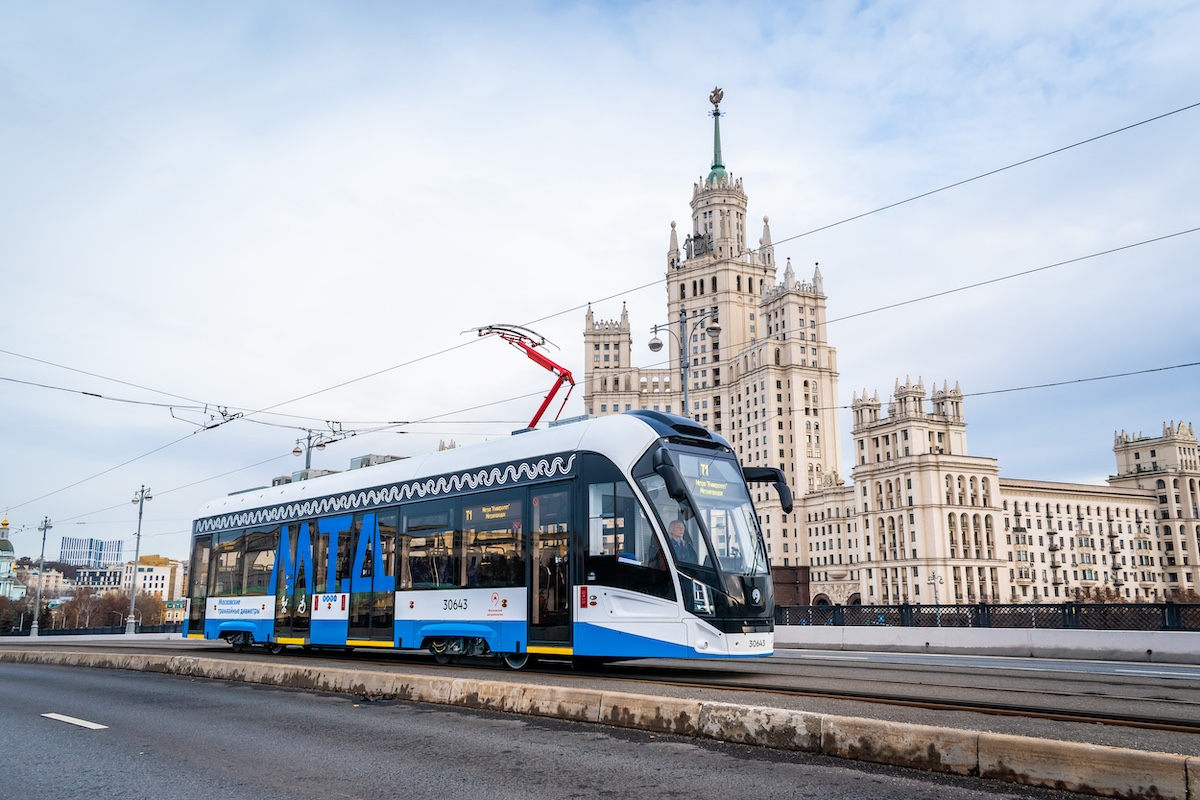
2025 also marked a turning point for tram development. Moscow's first tram diameter, the T1, opened, operating as an overground metro with intervals of up to six minutes. The country's first autonomous trams, "Lvenok-Moscow," entered service.

Particular attention was paid to integrating the capital and the Moscow region. Twenty-five suburban ground routes have already been upgraded to the high standards of Moscow Transport, ensuring passengers a consistent quality of service regardless of their location.

Moscow remains one of the leaders in Russia for road safety. Despite its high population density and traffic flow, the city's social risk is several times lower than the Russian average. This work is based on the global Vision Zero concept, aimed at achieving zero road traffic fatalities.

The capital's industry is making a significant contribution to the development of the transport system. The first electric vessels have been laid down at the new Moscow Shipyard—a unique facility in Russia with a capacity to produce up to 40 vessels per year. By 2025, the city will receive over 500 modern electric buses, allowing Moscow to maintain its leadership in Europe in terms of the number of environmentally friendly urban transport vehicles.

The Technopolis Moscow special economic zone produces high-tech products for the medical, transportation, industrial, and space industries. Today, Moscow's industry provides stable employment for every tenth resident of the capital. More than 4,600 enterprises operate in the city, and private investment in fixed assets exceeded 5.2 trillion rubles in the first three quarters of 2025.

In 2026, Moscow will continue implementing its Development Strategy through 2030. Plans include expanding the city's rail network, opening the first section of the Rublevo-Arkhangelskaya metro line, launching the second tram diameter (T2), and converting 15 trams to driverless mode. The renovation of the tram fleet and trains on the Zamoskvoretskaya metro line will be fully completed, and rolling stock replacement on the Yaroslavskoye line will continue. Plans also include launching a fourth regular river route and adding eight more electric vessels to the fleet.

All of these projects are not just infrastructure solutions, but real improvements in quality of life: convenience, safety, time savings, and increased trust among residents.

Moscow transport continues to operate for the city and its residents.

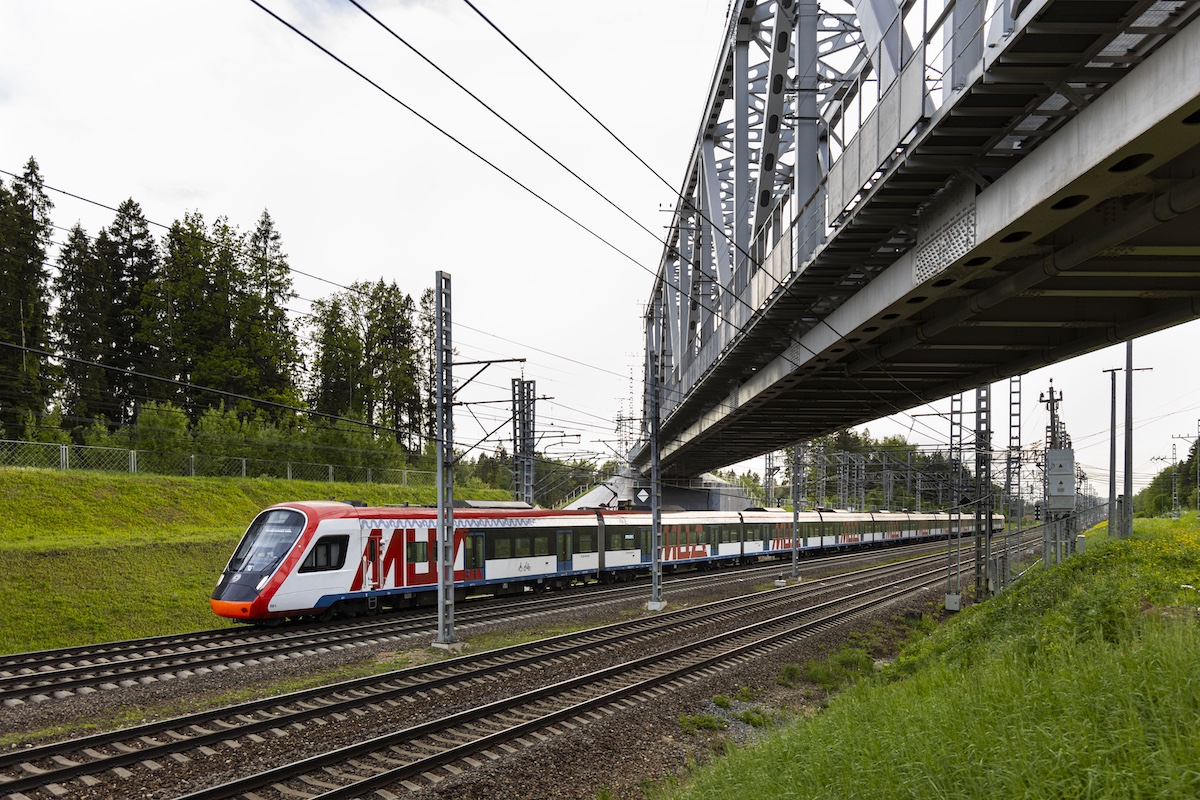
Moscow Metro: The Yaroslavl line will become faster and more comfortable: new Ivolga trains have arrived on the Yaroslavl line.

Translation. Region: Russian Federation –

Source: Moscow Metro

Moscow, November 9 – By the end of the year, the fleet of modern Ivolga 4.0 trains on the Yaroslavl line will be expanded to 15 units. This is part of a large-scale rolling stock renewal program being implemented jointly with the Central Suburban Passenger Company (CPPK) and Russian Railways.


The Yaroslavl route will become faster and more comfortable: new Ivolga trains have appeared on the Yaroslavl route.

Comfort, speed and safety:

• The first “Ivolga 4.0” have already hit the roads this year.

• By 2030, it is planned to purchase 92 new trains.

• The average age of the train fleet will be reduced by 5 times, to 3.5 years.

• The new trains are 20% more spacious, provide 15% faster and more comfortable boarding, and have a 45% wider aisle, which is especially convenient during rush hours.

• The upgrade will allow the transportation of more than 300 thousand passengers daily.

Implementation stages:

• To launch new trains, a comprehensive check and adjustment of all systems is carried out.

• Particular attention is paid to the training of drivers, who undergo additional training.

• A new division of the Tver Carriage Works has been opened in Pushkino to monitor the technical condition of trains and carry out routine maintenance.

Comprehensive development of the direction:

• Additional routes were built from Moscow to Pushkino, which reduced train waiting times by a third.

• A transport hub was built in Rostokino for convenient transfer from the Yaroslavl direction to the Moscow Central Circle.

"The upgrade of the Yaroslavl line will allow even more residents and visitors to the capital to use fast and comfortable transportation," noted the Moscow Transport press service.

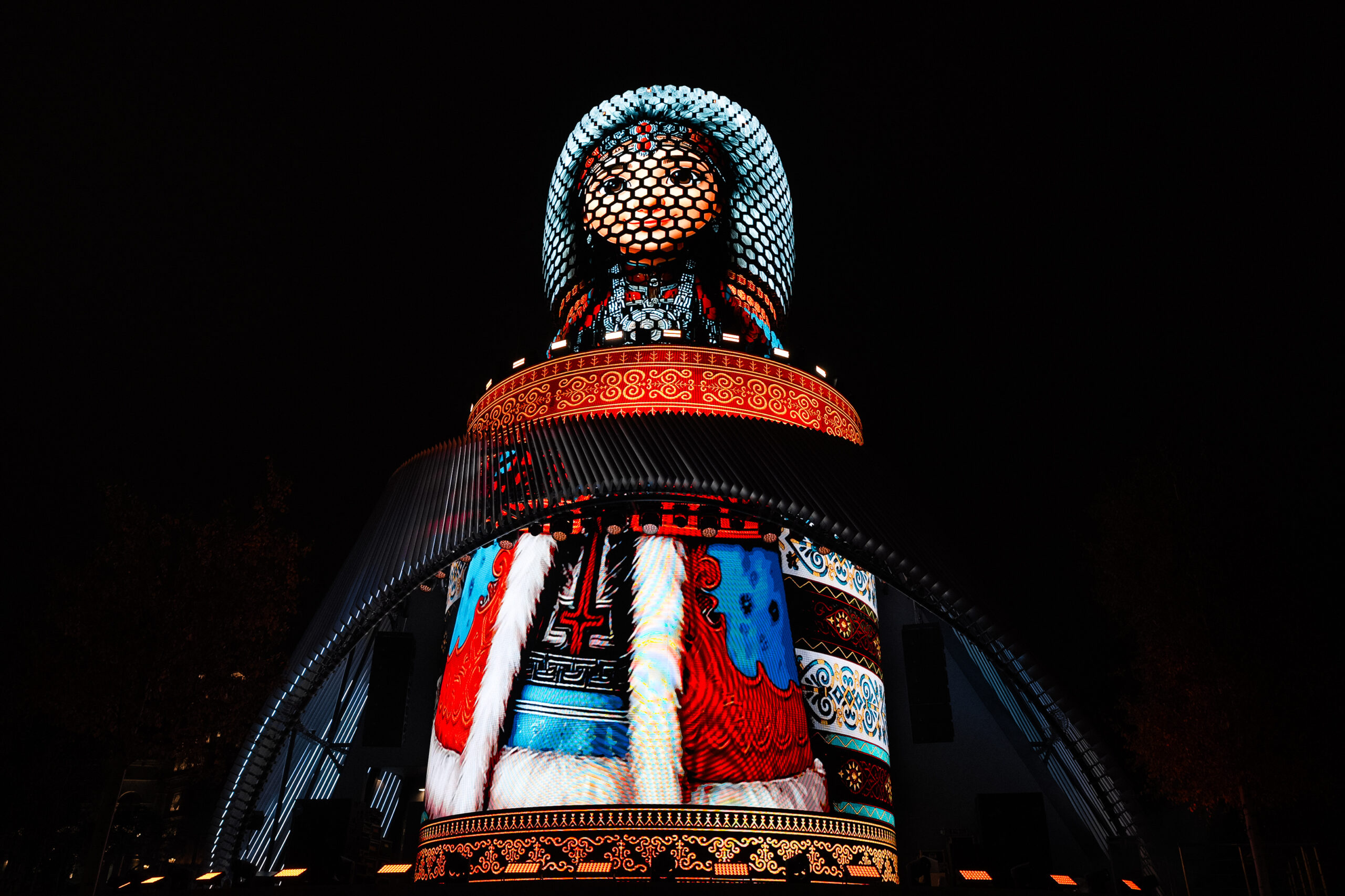
A new program dedicated to the unity of the peoples of Russia was presented at the Matryoshka Moscow Festival.

Translation. Region: Russian Federation –

Source: Moscow Metro

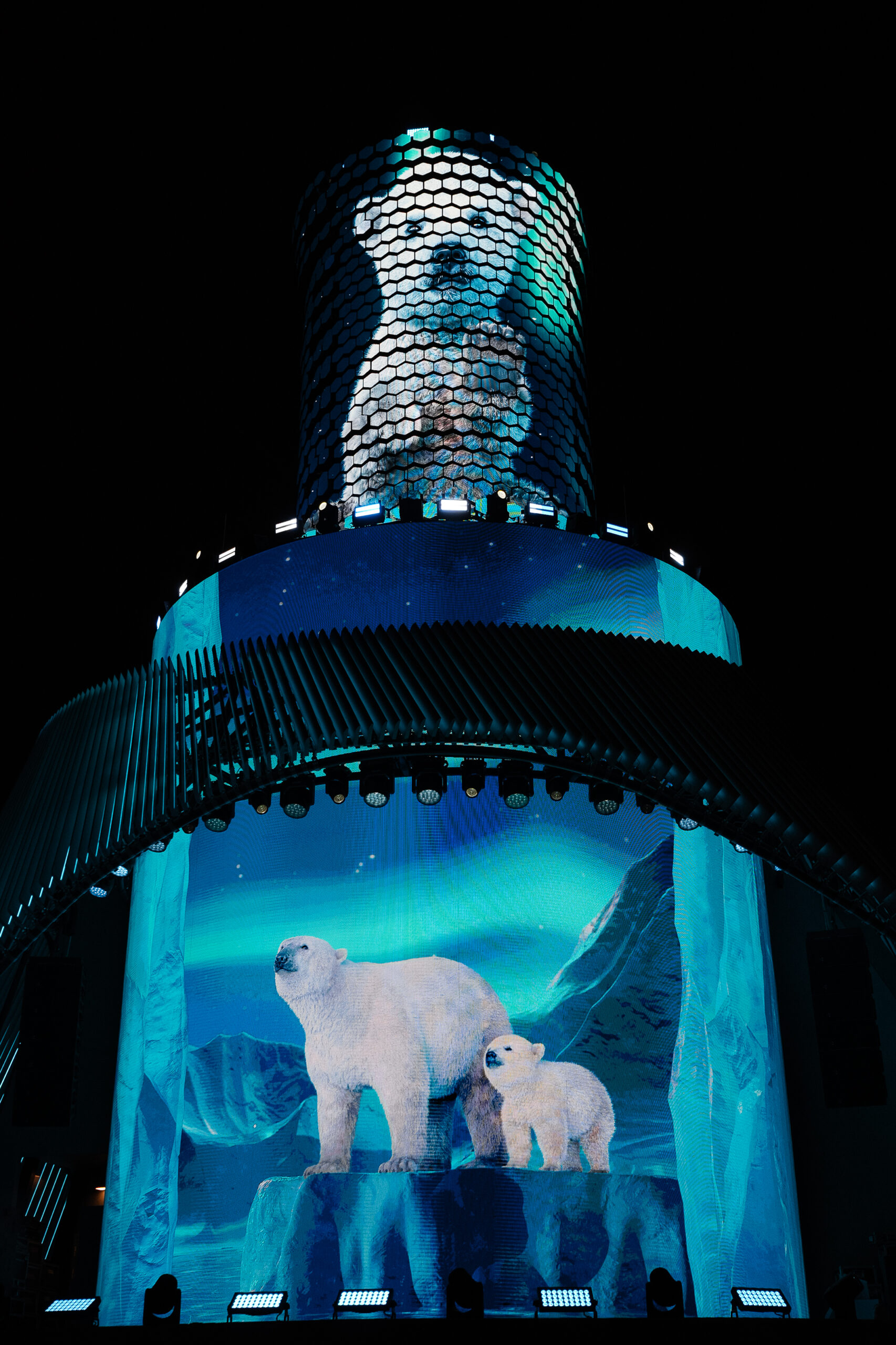
November 4, Moscow. On National Unity Day, the "Matryoshka of Moscow" media installation presented an updated program dedicated to the diversity and uniqueness of Russia's peoples.

That evening, residents and visitors to the capital enjoyed a unique multimedia show, unparalleled anywhere in the world. According to Maxim Liksutov, Deputy Mayor of Moscow for Transport, over 30 new animated scenes with 3D graphics were prepared for visitors to Zaryadye Park, reflecting the natural and cultural riches of our country.

Recognizable symbols of Russia came to life on huge screens:

🔹 Gzhel-style owl🔹 Arctic polar bears🔹 the bountiful harvest of the southern regions🔹 the majestic mountain peaks of the Caucasus🔹 Yakut bone figurine – a talisman of the North

For the first time, the "Matryoshka of Moscow" was presented in images symbolizing the unity and identity of the peoples of Russia.

"The innovative 'Matryoshka of Moscow' attraction is unique in the world. It's not just a tourist attraction, but a new platform for digital art. Its key feature is a unique kinetic installation that changes shape every 1-2 seconds. At the behest of Moscow Mayor Sergei Sobyanin, the technology was implemented by Moscow engineers and designers. Moscow specialists spent several months creating a multimedia performance that is unparalleled anywhere in the world. Each element was hand-drawn to showcase Russia's natural and cultural riches—from the Far North to the Caucasus," said Maxim Liksutov.

The new program emphasizes the idea of a united Russia, where culture, technology, and art come together to create a modern image of a country that values traditions and is inspired by the future.

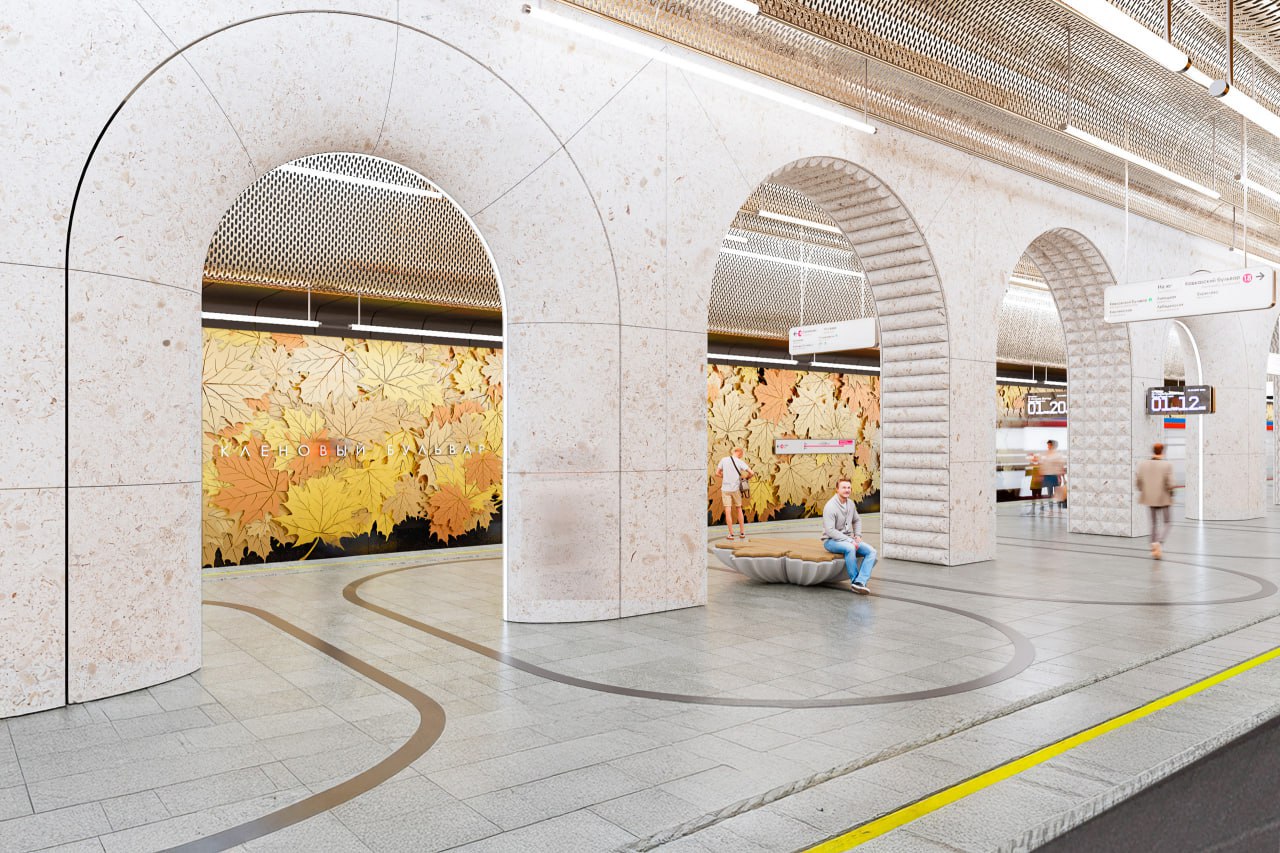
The Moscow Metro has approved the architectural concept for the Klenovy Bulvar station on the Biryulyovskaya Line.

Translation. Region: Russian Federation –

Moscow metro

The Moscow Metro has approved the architectural concept for the Klenovy Bulvar station on the Biryulyovskaya Line.

Its appearance will echo that of the nearby Kolomenskoye Museum-Reserve.

The dominant design element will be arches, positioned to create continuous perspectives throughout the entire ensemble. The composition will achieve a sense of unity and openness.

The station's name will be reflected in its decoration. For example, aluminum maple leaves will be laid on the track walls, and a similar pattern will appear on the floors in the vestibules.

Construction workers are currently erecting the enclosing structures at the future station site, conducting excavation work, and constructing foundation pit supports. Construction is underway on the right-hand tunnel between Dream Island and Klenovy Bulvar.

The Biryulyovskaya Line will include 10 stations. Completion of its first section, from ZIL to Kuryanovo, is scheduled for 2028.

Technology – Acoustic booths installed in the Moscow Metro

Translation. Region: Russian Federation –

Source: Moscow Metro

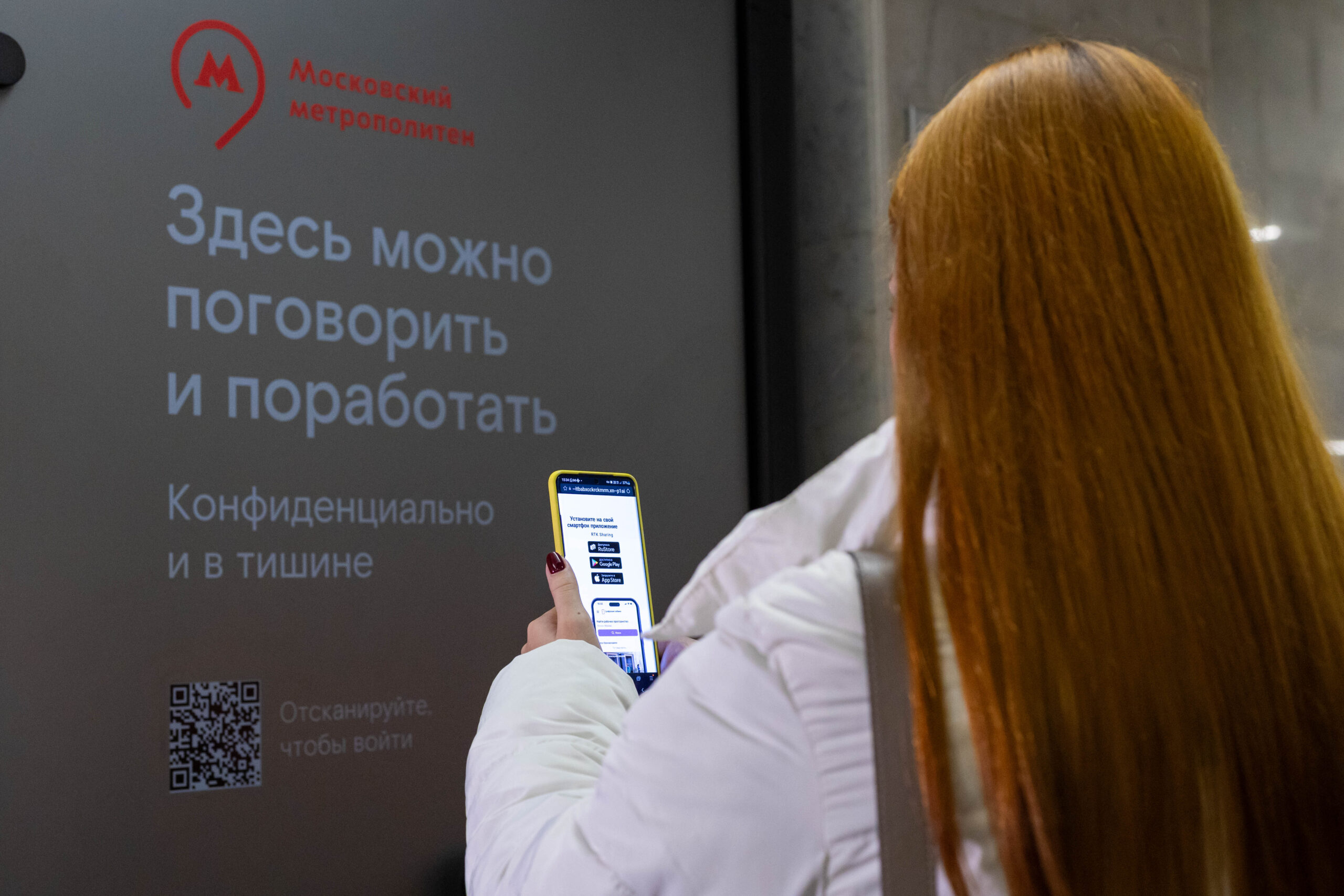
Maxim Liksutov reported that an acoustic booth has been installed at the Komsomolskaya transfer hub, which connects metro stations, the Moscow Central Diameters (MCD), and major train stations. A second one has been installed at the Nizhegorodskaya transport hub. The booths are available free of charge until the end of the year.


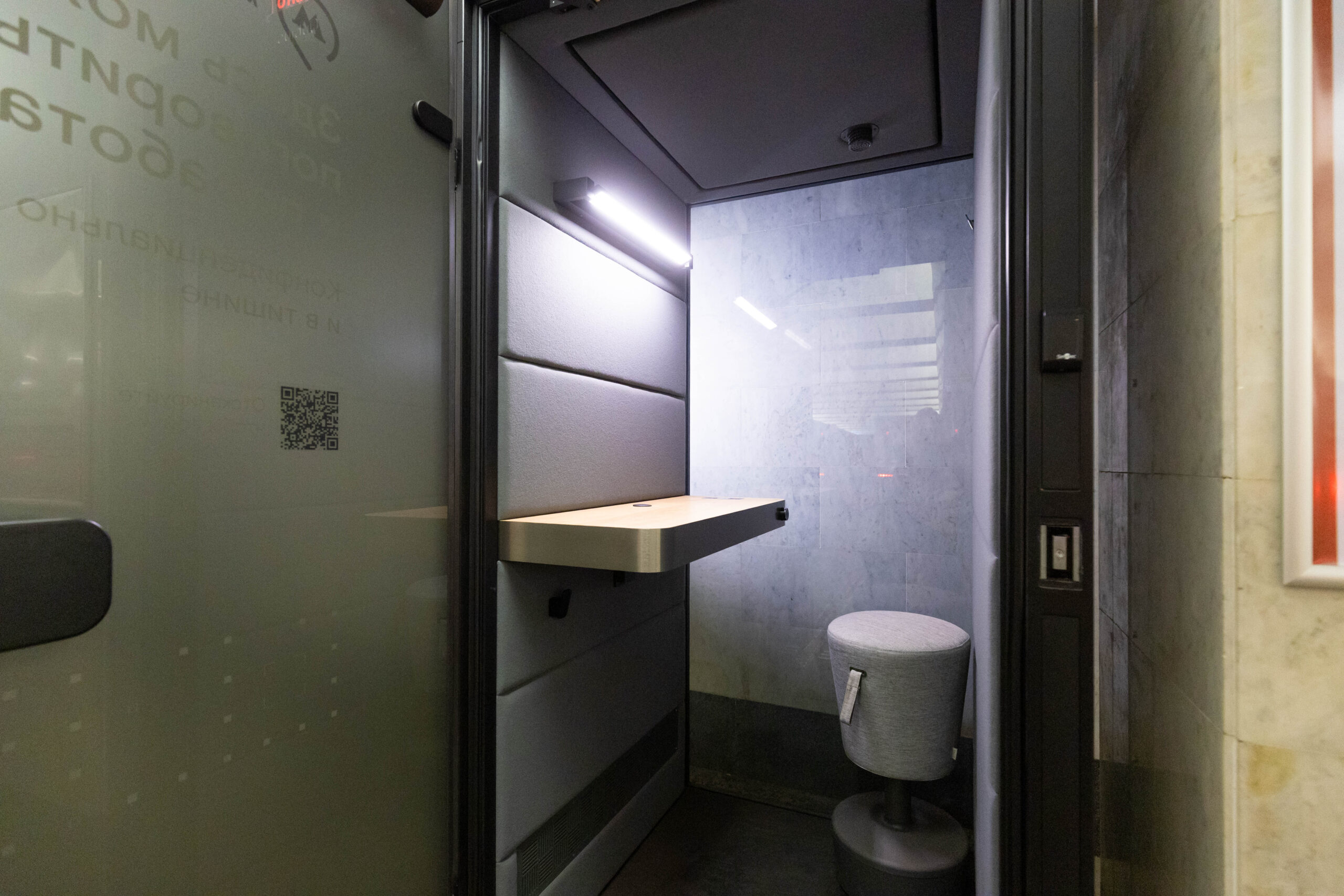
Acoustic booths have been installed in the Moscow Metro.

The acoustic cabins are designed for one person. They feature: 1) USB and Type-C ports for charging devices; 2) a workstation; 3) adaptive lighting; 4) ventilation that provides a constant flow of fresh air.


Acoustic booths have been installed in the Moscow Metro.

The sound-damping materials in the acoustic booths have already passed all tests. The door is made of translucent glass, preventing anyone from seeing into the user's device.

You can rent booths in two ways: by pre-booking your desired time slot in the new acoustic booth rental service's mobile app, or by using time slots starting from 15 minutes on-site. To do this, scan the QR code on the booth door or posters.

"In today's world, people work from anywhere, not just in offices, and it's important for us to follow this trend. That's why we're starting to test acoustic booths in the metro. If needed, people will be able to work or make phone calls in silence. We're choosing booth locations that will be popular but won't disturb passengers. If these quiet spaces prove popular, we'll introduce them at other stations. We're continuing to launch new, convenient services on public transport, as instructed by Moscow Mayor Sergei Sobyanin," said Maxim Liksutov.

Moscow Metro – In 2027, a unique park will appear in Moscow on the site of the outdated monorail

Translation. Region: Russian Federation –

Source: Moscow Metro

According to the project, this will be Russia's first year-round promenade park at a height of 6 meters. The plan is to create a modern, comfortable space for sports, family recreation, and gatherings with friends. A four-kilometer running path will run along the park, both in both directions.


In 2027, a unique park will appear in Moscow on the site of the outdated monorail.

The area will connect five districts—Ostankino, Alekseevsky, Timiryazevsky, Marfino, and Butyrsky—home to over 300,000 people. The city's new pedestrian artery will connect VDNKh Park, Ostankino Park, the Botanical Garden, and Timiryazevsky Park into a single route, and, of course, offer stunning views of our beloved Moscow.

Five of the six monorail stations will be reconstructed into two-story pavilions. Two dismantled monorail trains will also be on display in the park.

The Moscow Monorail was built over 20 years ago. In recent years, it operated solely as a guided tour system, effectively losing its transportation function following the opening of the Moscow Central Circle (MCC), the extension of the Lyublinsko-Dmitrovskaya metro line, and the development of surface urban transport.

Moscow Metro – Maxim Liksutov spoke about the achievements of Moscow industry

Translation. Region: Russian Federation –

Source: Moscow Metro

According to the Moscow Government's Department of Transport, the capital has become the largest consumer and producer of electric vehicles. The city's industry closely cooperates with the transport sector. It produces 57% of all Russian electric vehicles and is home to two companies in the passenger electric vehicle segment—Moskvich and Atom.


Maxim Liksutov spoke about the achievements of Moscow industry.

Moscow is a leader in transport engineering, not only in Russia but also globally. For example, the SVARZ plant in Sokolniki is developing production of the most advanced KAMAZ electric buses. Final assembly of the eco-friendly vehicles is carried out here.

All complex microelectronics for suburban rolling stock are produced in the capital.

Moscow companies produce high-tech equipment for traffic management systems, smart road signs, and traffic lights.

At the behest of Moscow Mayor Sergei Sobyanin, the Technopolis Moscow Special Economic Zone is focusing on developing social infrastructure. Employees have access to a variety of sports facilities and services.

The city is successfully developing a joint project with Rosatom to create a modern Gigafactory. The plant will produce traction batteries for electric vehicles, electric buses, and electric vessels.